
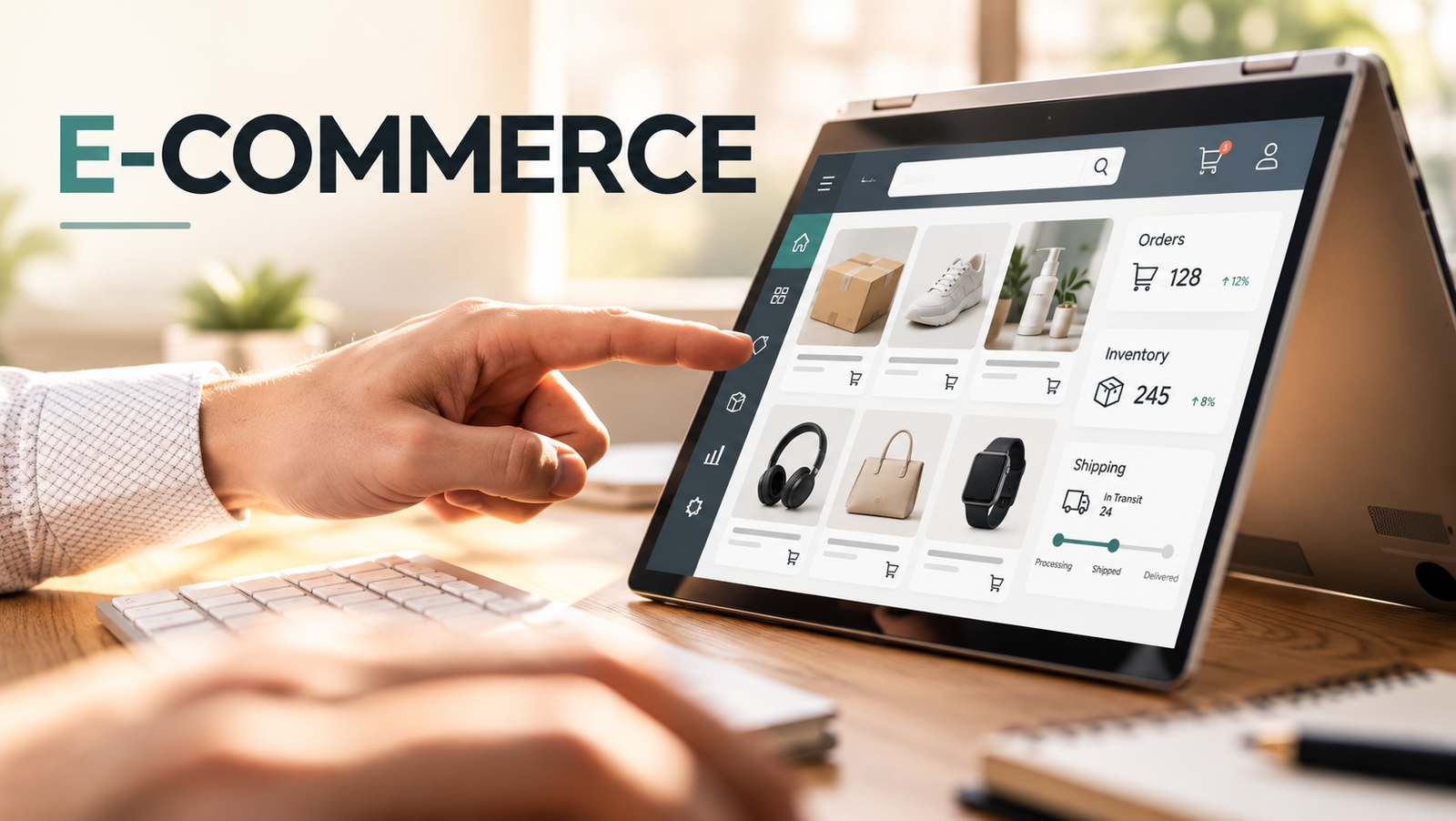
Running an online store involves much more than selling products. Every order can create administrative work, including customer questions, shipping updates, product information, returns, inventory records, and payment-related inquiries.
As order volume grows, these tasks can compete with merchandising, marketing, and business planning. An E-commerce Virtual Assistant helps online retailers manage order administration, customer support, product catalog updates, and routine store operations.
What Is an E-commerce Virtual Assistant?
An E-commerce Virtual Assistant is a remote professional who supports the administrative and customer service needs of an online store. Depending on the business, tasks may include checking order status, responding to routine customer questions, updating product information, tracking returns, and maintaining store records.
A VA follows your store policies and works within approved systems. Refund approvals, pricing decisions, account security, and other restricted actions should remain with authorized staff.
7 Ways an E-commerce VA Can Support Your Store
1. Manage Routine Order Inquiries
Customers often ask whether an order has been received, shipped, delivered, or delayed.
A VA can review order information in approved systems, respond using established templates, and escalate issues that require investigation. They can also record recurring questions so your team can identify common support needs.
2. Provide Customer Service Support
Customer inquiries may involve product details, shipping, returns, exchanges, account issues, and general store policies.
An E-commerce Virtual Assistant can manage routine questions, organize support tickets, route complex issues, and maintain a clear record of customer interactions.
Responses should follow your published policies and approved communication standards.
3. Maintain Product Listings
Product pages need accurate titles, descriptions, specifications, images, variants, and category information.
A VA can enter approved product details, update descriptions supplied by your team, organize images, check for missing fields, and maintain catalog spreadsheets.
Product claims, pricing, regulated statements, and material changes should be reviewed by authorized staff.
4. Track Returns and Exchanges
Returns require coordination among customer communication, order records, warehouse processes, and refund procedures.
A VA can log return requests, provide approved instructions, track package status, and maintain a list of cases awaiting action.
Refunds, exceptions, and policy decisions should follow your store’s authorization process.
5. Support Inventory Administration
A VA can update inventory trackers using approved data, flag low-stock items, record supplier updates, and organize product availability information.
Inventory adjustments should be made only within the permissions granted by the business, with clear procedures for discrepancies and stock corrections.
6. Coordinate Shipping and Fulfillment Follow-Ups
When an order is delayed or tracking information is missing, customers may need an update.
A VA can monitor approved order information, contact the appropriate fulfillment partner, record responses, and communicate verified updates to customers.
They should not promise delivery dates unless those dates have been confirmed.
7. Maintain Store Records and Reports
An E-commerce Virtual Assistant can organize customer support records, update order trackers, maintain product spreadsheets, and prepare routine summaries of open issues.
Useful reports may include pending returns, unresolved customer inquiries, missing product information, and orders requiring follow-up.
How to Set Up an E-commerce VA
Begin with the tasks that create the largest administrative backlog. Customer inquiries, order status checks, product data entry, and return tracking are common starting points.
Document your shipping, returns, refund, and escalation policies. Define which systems the VA can access and which actions require approval.
Track measures such as ticket response time, unresolved inquiries, catalog completeness, and return cases awaiting action. Review performance regularly and adjust the workflow as your store changes.
For U.S. market context, the U.S. Census Bureau publishes quarterly estimates of retail e-commerce sales. Its reports provide a consistent way to follow the scale and changes in online retail activity. See the Census Bureau’s Quarterly Retail E-Commerce Sales.
Frequently Asked Questions
What does an E-commerce Virtual Assistant do?
An e-commerce VA can manage order inquiries, customer support, product listing updates, return tracking, inventory administration, and store records.
Can an e-commerce VA manage orders?
A VA can monitor order status, respond to routine inquiries, and maintain order records. Changes, cancellations, refunds, and exceptions should follow your authorization procedures.
Can a Virtual Assistant update product listings?
Yes. A VA can enter approved product details, organize images, update catalog fields, and flag missing information for review.
Can an e-commerce VA handle customer returns?
A VA can log requests, send approved instructions, track return status, and coordinate administrative follow-ups. Refund approvals and policy exceptions should remain with authorized staff.
Grow Your Online Store With Virtual Nexgen Solutions
Virtual Nexgen Solutions provides dedicated Virtual Assistants to help e-commerce businesses manage order administration, customer support, product data, returns tracking, and routine store operations.
Ready to delegate the busywork and give your team more time to grow? Partner with Virtual Nexgen Solutions for reliable, industry-focused Virtual Assistant support tailored to your business needs.