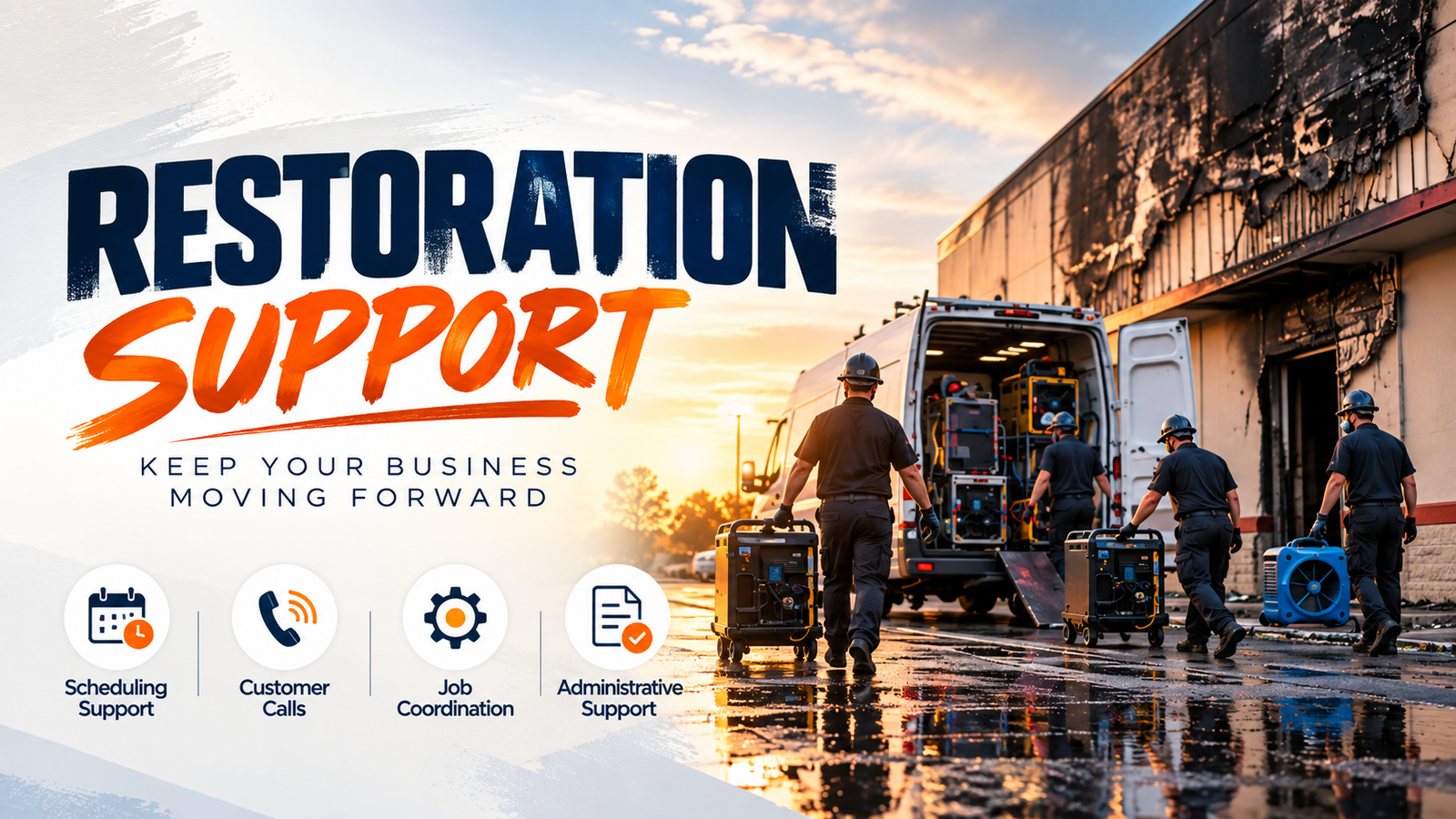

When a Category 4 hurricane hits, your equipment is your most valuable asset , and your biggest liability. For restoration company owners, a catastrophe (CAT) event is not just a high-revenue opportunity; it is a high-risk logistics operation that can break your business before the first insurance check arrives.
The 2026 hurricane season has already proven that climate-driven demand is year-round and multi-regional. When the storm makes landfall, you have a 72-hour window to mobilize crews, stage hundreds of dehumidifiers, and coordinate housing across state lines. In the chaos of rapid deployment, equipment shrinkage becomes a silent profit killer. Many restoration firms report an annual equipment loss of 15% to 25% due to theft, misplacement, or simple administrative failure across dozens of job sites.
When your drying equipment and moisture meters disappear, your profit margins evaporate. This is where "Admin Debt" begins to accumulate, leading to severe profit leakage that most contractors accept as the cost of doing business. It doesn't have to be this way. By positioning a Virtual Nexgen Solutions Virtual Assistant as your administrative engine, you can systematize your logistics, protect your assets, and maximize your ROI for just $8 per hour.
The Reality of CAT Storm Mobilization: Working Capital and Chaos
A CAT event is essentially a working-capital event. You face massive upfront costs for payroll, fuel, crew housing, and transportation long before you see proceeds from an insurance carrier, often 60 to 90 days later. Every piece of equipment that goes missing during this period represents a double loss: the replacement cost of the asset and the lost rental income it should have generated on the next job.
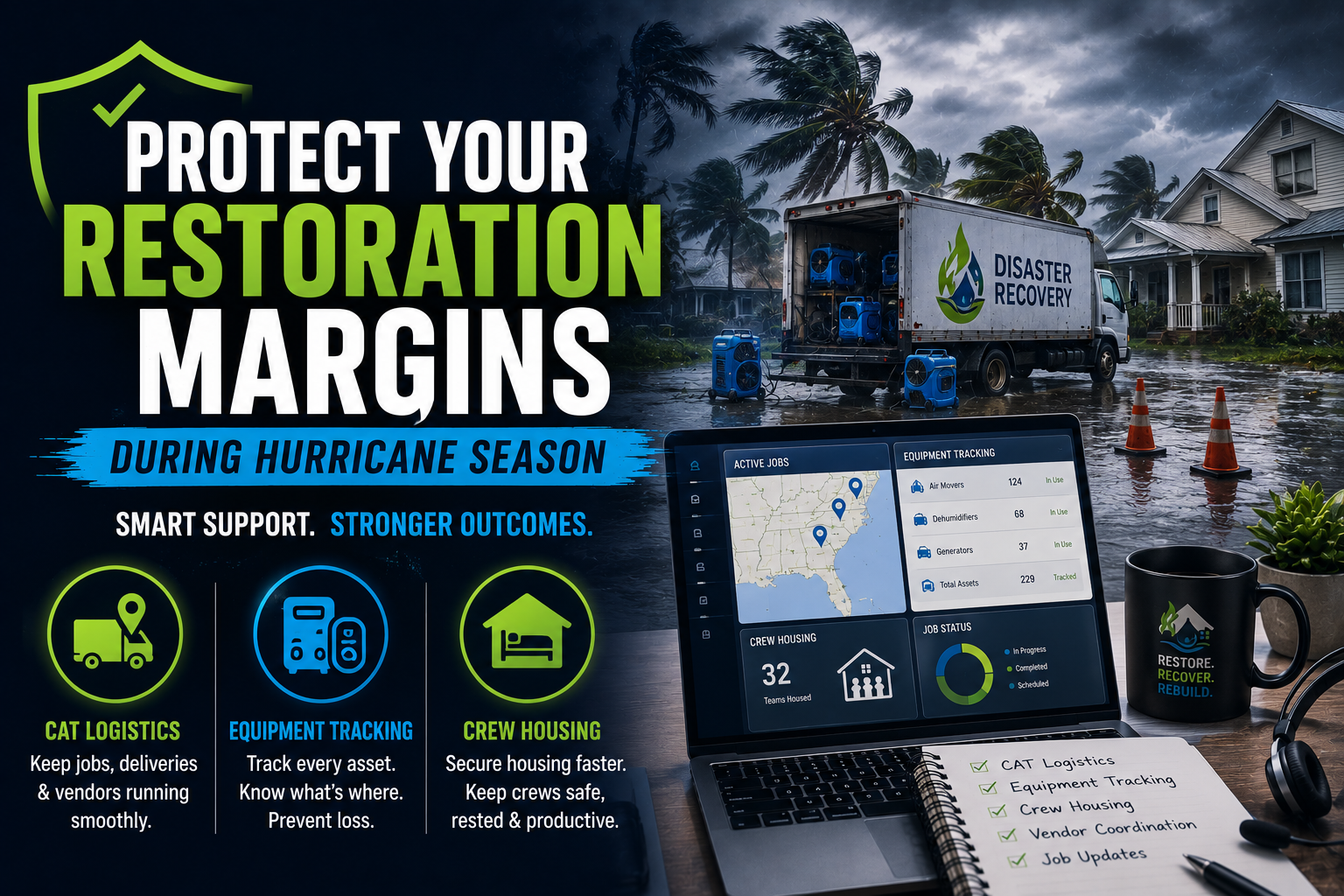
Mobilizing for a major storm requires more than just trucks and technicians. It requires a centralized command center to manage:
- 72-Hour Deployment Windows: Coordinating travel and staging for multiple crews.
- Equipment Staging: Ensuring the right gear is on the right trailer before it leaves the warehouse.
- Fuel and Supply Chain Volatility: Managing local shortages and price spikes in the disaster zone.
- Crew Logistics: Handling hotel bookings, meal per-diems, and transportation in areas where infrastructure is compromised.
Without a dedicated logistics manager, your field supervisors spend more time on their phones booking hotels than they do overseeing technicians. This shift in focus creates a documentation gap that leads to denied insurance claims and unbilled equipment days.
The Restoration Virtual Assistant Logistics Workflow
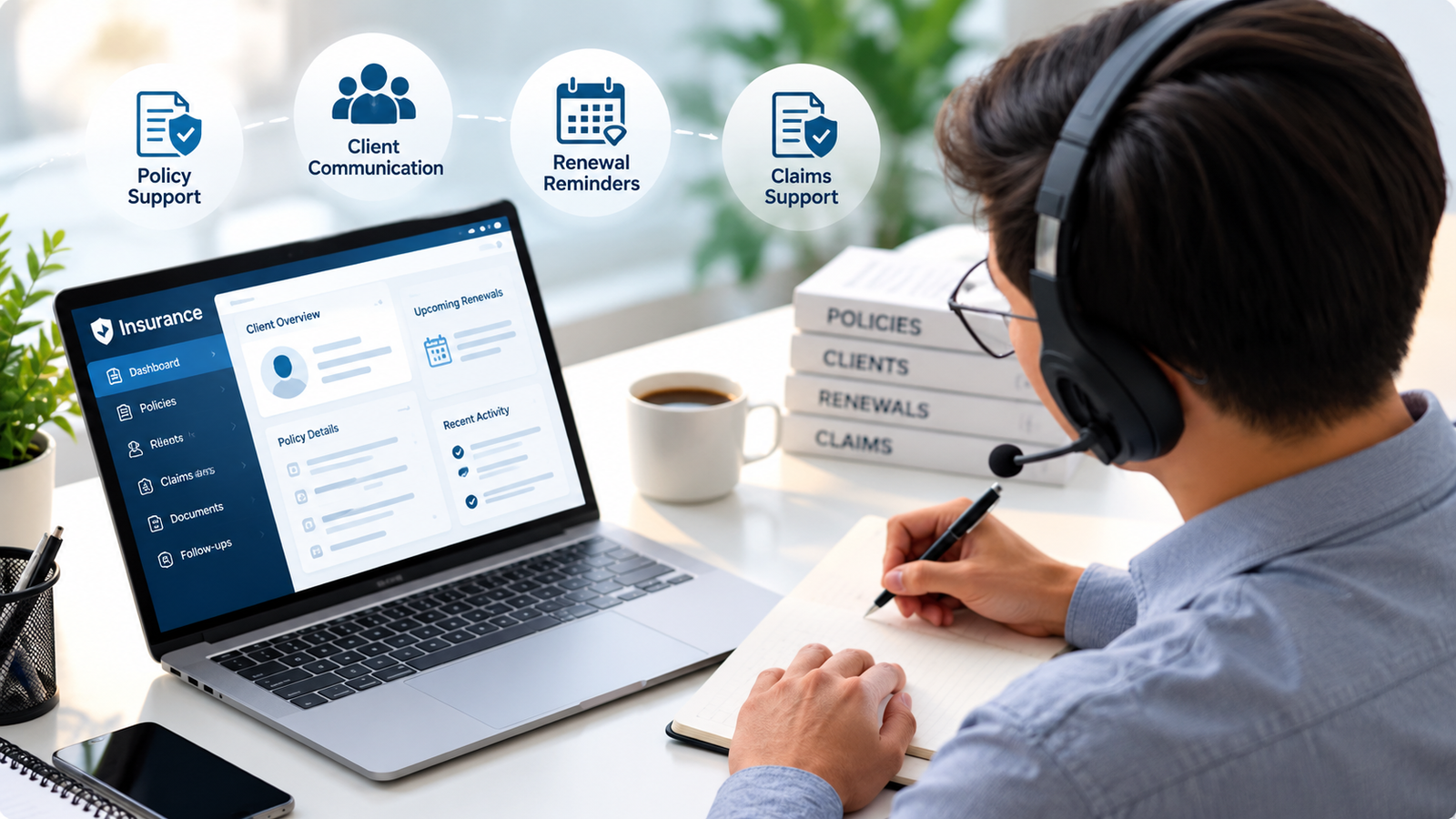
A Virtual Nexgen Solutions Virtual Assistant manages the full CAT logistics lifecycle from your home office or a remote command center. This allows your field teams to stay focused on production while your VA handles the technical data entry and coordination.
1. Pre-Storm Staging and Inventory Reconciliation
Before the first truck leaves, your Virtual Assistant performs a full inventory audit. Using tools like Kahi or GoCodes, they reconcile your master equipment list against what is physically in the warehouse. They build "CAT Kits" in your system, scanning every air mover and dehumidifier onto specific trailers. This creates a digital chain of custody from the moment of departure.
2. Real-Time Equipment Tracking Across Job Sites
Once on the ground, equipment often moves from one residential property to another without proper documentation. Your VA monitors Encircle and DASH to ensure every piece of equipment is linked to a specific job file and room. If a dehumidifier is scanned at a property but doesn't show up on a moisture report, your VA flags it immediately. This level of oversight prevents the 15-25% shrinkage that plagues unmanaged deployments.
3. Crew Housing and Travel Logistics
In a disaster zone, finding 15 hotel rooms that aren't booked by FEMA or other contractors is a full-time job. Your Virtual Assistant takes this burden off your plate. They manage the logistics of travel, lodging, and meal coordination, ensuring your crews have a place to sleep so they can hit the ground running at 6:00 AM every morning.
4. Supply Chain and Fuel Management
Logistics in a CAT zone are volatile. Your VA monitors fuel availability and coordinates with local suppliers for plywood, PPE, and consumables. They track every receipt and upload it to CompanyCam or your ERP system in real-time, ensuring every expense is captured for eventual reimbursement.
5. Daily Utilization Reports and Documentation
Profit leakage occurs when equipment is left on a job site after the drying goals are met. Your Virtual Assistant reviews daily moisture readings in Encircle and compares them to equipment logs. They generate daily utilization reports, prompting your field techs to pull equipment the moment it is no longer billable. This keeps your inventory moving and maximizes the revenue generated per unit.
Hard Numbers: The ROI of Logistics Oversight
Consider the cost of a standard CAT deployment. If you deploy $500,000 worth of equipment and experience a 20% loss rate, a common reality in unmanaged chaos, you are looking at a $100,000 hit to your balance sheet. This doesn't include the "Admin Debt" of missing documentation that leads to reduced insurance payouts.
Compare this to the cost of a specialized Virtual Nexgen Solutions Virtual Assistant. At $8 per hour, a full-time logistics VA costs approximately $16,640 per year. Contrast this with a $60,000 per year in-house administrative manager (plus benefits, overhead, and taxes). For a fraction of the cost, you gain a 24/7 logistics expert who ensures you never lose a piece of equipment again.
By using software like EagleView for remote roof measurements and Matterport for site documentation, your VA can even assist in the estimating process, feeding data into your system so your project managers can focus on the physical restoration work.
Systematizing Your Restoration Engine
Stop treating logistics as an afterthought. Every minute your project manager spends on a phone call with a hotel or searching for a missing moisture meter is a minute they aren't generating revenue. Implement a Virtual Nexgen Solutions VA into your workflow to streamline your operations and plug the profit leaks that are draining your business.
Virtual Nexgen Solutions specializes in the technical 'how-to' of restoration delegation. Our VAs are experts in the software you already use: DASH, Encircle, CompanyCam, Kahi, GoCodes, Lever360, Matterport, and EagleView. We don't just provide "help"; we provide a technical solution to your most expensive operational hurdles.
Ensure your business is ready for the next storm. Don't wait for a Category 4 landfall to realize your logistics are broken. Build a scalable, reliable administrative engine today.
Schedule your 30-minute CAT Logistics Audit here.
Frequently Asked Questions (FAQ)
1. How does a Virtual Assistant track physical equipment from a remote location?
Your Virtual Assistant utilizes specialized software like Kahi or GoCodes which uses Bluetooth tags or QR codes. When your field technicians scan equipment on-site via their mobile devices, the data syncs instantly to your VA’s dashboard, allowing them to monitor location, status, and movement in real-time.
2. Can a Virtual Assistant help with hotel bookings and travel in emergency zones?
Yes. Your Virtual Assistant acts as a 24/7 logistics coordinator, calling hotels, managing corporate accounts, and securing lodging for your crews even in high-demand disaster areas, freeing your supervisors to focus on the restoration work.
3. What restoration-specific software are Virtual Nexgen Solutions VAs trained in?
Our VAs are experts in the core industry stack, including DASH, Encircle, CompanyCam, Kahi, GoCodes, Matterport, and EagleView. They can manage everything from job file documentation to real-time asset tracking.
4. How much does a Restoration Virtual Assistant cost?
Virtual Nexgen Solutions provides dedicated, high-level administrative support for a flat rate of $8 per hour. This offers a significant cost advantage over in-house staff, which typically costs around $60,000 per year plus benefits.
5. How do you prevent equipment shrinkage during a CAT event?
By implementing a strict digital chain of custody. Your VA reconciles daily equipment logs with job files in Encircle or DASH. If equipment is not accounted for in a daily moisture report, the VA immediately alerts the field supervisor to locate the unit.
6. Can a Virtual Assistant handle the documentation required for insurance carriers?
Absolutely. Your VA monitors job files for completeness, ensuring all photos, moisture readings, and equipment logs are uploaded in real-time. This prevents "Admin Debt" and ensures you have all the evidence needed for maximum claim reimbursement.
7. Is a Virtual Assistant available during a 24/7 storm response?
Yes. Virtual Nexgen Solutions offers 24/7 availability. We can scale our support to match the urgency of a CAT event, providing around-the-clock monitoring of your logistics and documentation.
8. How quickly can a Virtual Assistant be integrated into my restoration company?
We specialize in seamless integrations. Because our VAs are already trained in restoration SOPs and software, we can typically have your logistics command center operational within a few business days.
Schedule Your Consultation
Don't let profit leakage sink your business during the next storm. Streamline your logistics and protect your assets with a dedicated Restoration Virtual Assistant.